Gardening Company in London
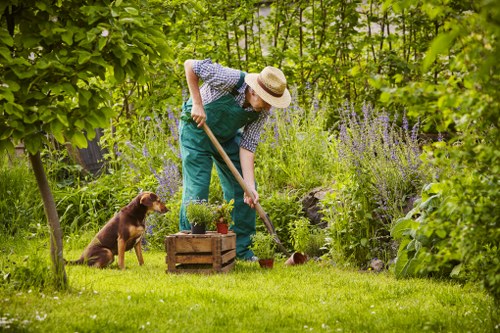
Gardening Company provides gardening services in London for households, landlords and shared properties that need dependable outdoor upkeep and practical improvements. The work can include regular maintenance, one-off tidy-ups and more involved garden projects, depending on what the space needs and how it is used. Our approach is straightforward: keep the garden manageable, sensible and presentable without turning it into something overcomplicated. If you are comparing options, clear scope matters as much as the finish.
We cover a broad range of garden work, from routine mowing and hedge trimming through to clearance, turf installation and selected landscaping tasks. That means you can use one company for the recurring jobs that keep growth under control and for the occasional works that change how the garden functions. Where a project needs a more careful plan, we can discuss the order of work, the materials involved and the likely practical limitations before anything begins.
For a quote, start by outlining the garden size, the present condition and the outcome you want. If the space has access constraints, awkward corners, steps or large items that need removing, those details help shape a more accurate estimate. Plain, useful information is usually the best way to begin, and it is often enough to decide whether maintenance, clearance or a larger redesign is the right route.
Regular garden maintenance and grass cutting
Regular maintenance is the simplest way to keep a garden usable through the season, especially when grass, borders and hedges all need attention at different rates. We can combine mowing, edging, strimming and basic tidy-up work so the result feels deliberate rather than rushed. For many properties, the value is not just in appearance; it is in making the space easier to walk through, use and look after the following week.
Grass cutting is often the core of that routine, but it rarely stands alone for long. If the lawn has become uneven, overgrown or patchy, the service may need to be paired with scarifying, reseeding or turf replacement in due course. We also consider the edges, paths and boundaries because a lawn can look unfinished if the surrounding lines are ignored. Lawn mowing is one of the most direct ways to bring a garden back under control, while grass cutting suits customers who want a more focused service on the lawn itself.
When a garden needs ongoing care, consistency matters more than flashy promises. Good maintenance is built around the pace of growth, the shape of the plot and the tasks that keep coming back, such as trimming back soft growth, keeping hard edges neat and clearing away light debris. In some gardens the key issue is simply regular attention; in others, one or two seasons of concentrated work are needed before the site settles into an easier rhythm.
Hedge trimming, shaping and boundary care

Hedges need more than a quick pass with a tool. Their height, thickness, species and position all affect how they should be trimmed, because an overcut hedge can take a long time to recover and an uneven one can look worse than it did before. We shape hedges to suit the space available and to keep paths, driveways and garden edges clear. That can include lighter maintenance cuts as well as more substantial reduction work where the hedge has outgrown its intended line.
Different hedges call for different handling. Evergreen screens, formal borders and mixed planting each have their own growth habits, so the aim is to retain density where possible while restoring a clean outline. If you need the boundary to look tidy from the street side and workable from the garden side, the cut should reflect both views. Hedge trimming covers the general shaping and upkeep, while garden fence installation can be relevant when the boundary itself is being renewed alongside the planting.
Boundary work can also involve replacing worn fencing, improving the visible line between plots or clearing access so future trimming is easier. Where a hedge sits next to a fence or wall, the job may need extra care to avoid damaging neighbouring surfaces. That is one reason useful advice before work starts matters: knowing the height, access and any shared boundaries helps decide how much time and equipment the task is likely to require.
Garden clearance and removal of unwanted growth
Some gardens need a reset rather than routine upkeep. Clearance work is useful when beds have become choked, grass has gone long, climbing growth has taken hold or old garden materials are getting in the way of normal use. The aim is not just to make a site look tidier for a day, but to remove what is obstructing the layout so the garden can be brought back into sensible order. This is often the first stage before maintenance, planting or new landscaping can begin.
A clearance can include removal of loose garden waste, cutback of overgrowth, pruning of unwanted shoots and lifting of items that no longer belong in the space. If there are piles of clippings, broken edging, damaged timber or other accumulated materials, separating those into a clear plan saves time and reduces confusion. Garden clearance is suitable when the aim is to strip back the clutter, while garden services covers the wider mix of tasks that may follow once the site is manageable again.
For the most useful quotation, it helps to know whether the job is a light tidy, a substantial clearance or a combination of both. Access, disposal needs and the amount of material involved can all shape the work. If the garden contains mature shrubs, dense self-seeded growth or awkward corners, the time and tools required may differ significantly from a simple front-garden clear-out. Good planning is practical, not dramatic; it is mainly about matching the work to the condition of the space.
Landscaping, turfing and garden structure
Not every outdoor project is about maintenance alone. Some gardens need changes to the structure of the space so that movement, planting and everyday use make more sense. Landscaping can involve reworking levels, defining borders, improving the layout or preparing the ground for new surfaces and planting. In a practical sense, it is about making the garden fit the way people actually use it, rather than leaving the plot to dictate the experience.
Where a lawn has failed or an area needs an immediate visual lift, turf installation can be a direct solution. Preparing the soil properly matters, because new turf laid over poor ground will not behave well for long. We can also consider how the turf connects to paths, beds and boundaries so the finished garden feels joined together. Lawn turf installation is the relevant page for customers thinking about a fresh lawn, while landscaping covers broader design-led work that changes the arrangement of the garden.
Useful landscaping decisions usually come down to three things: how the space is used, how much maintenance you want afterwards and what the ground is like now. A level lawn is different from a sloped side return; a family garden is different from a quiet courtyard. If the project involves both hard and soft areas, the order of work should be decided carefully so the final result is tidy, stable and proportionate to the plot.
Decking, fencing and practical garden features
Some gardens benefit from added features that make them easier to use every day. Decking can provide a defined sitting or stepping area, while fencing can offer privacy, a clean boundary and a more finished look around the perimeter. These are practical additions as well as visual ones, and the right choice depends on the size of the garden, the existing ground conditions and how much maintenance you want after installation. The best results come from choosing features that suit the rest of the space rather than competing with it.
We can help with the installation of garden fencing and with related replacement work where older panels or posts have reached the end of their use. A fence that sits straight, aligns properly with gates and works with the terrain tends to be much more satisfactory than one fitted to an awkward line. Garden fence replacement is useful when old sections need swapping out, and garden fencing is the broader option for customers comparing boundary solutions.
Decking is often chosen to create a level surface where the ground is uneven or where a distinct outdoor zone is needed. It can sit alongside planting, lawn areas and fencing if the layout is planned carefully. Decking services cover this kind of practical feature work, and garden decking service is a useful route when the aim is to focus specifically on a garden setting. The key is to decide what the feature should do before deciding how elaborate it needs to be.
Tree, stump and heavier outdoor work

Where trees have become too large, too low, unsafe or simply too dominant for the garden, more specialised work may be needed. Tree cutting, reduction and removal are different tasks, and the right approach depends on the tree’s condition, position and relation to buildings, sheds, fences and neighbouring gardens. We handle tree-related work with an eye to practical clearance, shape and access, because overgrown branches can affect light, movement and the general usability of the outdoor area.
Stumps can be as problematic as the tree itself if they remain in the way. They can obstruct mowing, complicate planting and make a garden feel unfinished long after the main tree work is complete. Tree surgeon is the broad service term for specialist tree care, tree lopping and removal fits bigger reduction or removal tasks, and stump grinder points to the clean-up stage that deals with the rooted base.
Heavier work often requires careful sequencing. Branches may need reducing before the main trunk work begins, and stump removal may be best planned after the surrounding area has been cleared. If there are tight access points, nearby structures or awkward root systems, those factors need to be considered early. This is one of the reasons a clear description of the site is more valuable than a vague request for “a bit of tree workâ€.
How to prepare a sensible quotation
A clear quotation starts with a clear description of the garden itself. The most helpful details are the size of the area, the condition of the grass or planting, the kind of work you want completed and any restrictions on access or parking. If a garden is straightforward, the quote can often be simple. If it includes a mixture of mowing, hedge work, clearance and boundary tasks, grouping those into one enquiry usually produces a better estimate than sending separate, fragmented requests.
It also helps to note whether the job is a one-off or part of a longer pattern of care. Ongoing maintenance is planned differently from a seasonal tidy or a redesign project, because the frequency of visits, the level of waste and the condition of the site all influence the scope. Pricing and quotes is the natural place to read more about how estimates are approached, while contact us is the route to use when you are ready to request one.
Two simple pieces of information often save time: what you want kept, and what you want removed. That applies whether the work involves plants, paving edges, timber features or general garden waste. You do not need to write a long brief, but it is wise to mention anything that could affect labour or materials. Clarity improves accuracy, and accuracy helps everyone make a better decision before work is arranged.
Choosing the right mix of services
Many gardens need more than one service in the same visit or project. A lawn may need cutting, a hedge may need reducing and a border may need clearing before any planting can happen. Rather than treating those as unrelated jobs, it is often more efficient to think about them as parts of one outdoor plan. That keeps the work in the right order and helps prevent the garden from looking halfway finished when only one element has been addressed.
If you are comparing options, it can help to start with the service that is most urgent and then add the work that supports it. For example, garden maintenance suits recurring care, landscape gardening suits more considered outdoor changes, and garden landscapers is a useful page for customers thinking about a broader transformation. When you want the garden kept in shape over time, gardening services and local gardener are sensible starting points for the wider offer.
About London
London is a city shaped by its long history, varied neighbourhoods and layers of built form. Roman origins, medieval streets, Georgian terraces, Victorian civic buildings and modern developments all sit within the same metropolitan landscape, although they appear in very different combinations from one district to the next. The River Thames remains one of the city’s defining features, with bridges, embankments and waterside paths giving many parts of the capital a clear relationship to the river. Large open spaces such as Hyde Park, Regent’s Park, Hampstead Heath and Richmond Park are part of that same urban pattern, offering green relief within a dense and active city. Alongside them are squares, commons, canals and smaller local parks that shape daily life in more neighbourhood-scale ways.
Outdoor care that suits the property
Gardens are never all the same, even when the work sounds similar on paper. A compact front plot may need precise edging and a neat hedge line, while a larger rear garden might call for structured clearance, tree work or better-defined planting areas. The right mix depends on what is already there and what the owner wants to keep. That is why we take a practical view of the site first and then match the work to it, rather than forcing every job into a single mould.
When the aim is to improve the garden rather than simply tidy it, the sequence matters. Harder tasks such as removal, reduction and restructuring often make later maintenance simpler, while lighter jobs are usually enough when the layout is already sound. A garden can move from overgrown to manageable, and from manageable to well-kept, through a sensible series of steps. Gardeners is a broad page for general support, and gardener is useful if you are looking for a single point of contact for regular outdoor help.
Whatever combination of work you need, a straightforward request is usually best: explain the present condition, the main problems and the finish you want. From there, a quotation can reflect the real job rather than a guess. If you are ready to compare options, the next step is simple: send the details and ask for a quote today.