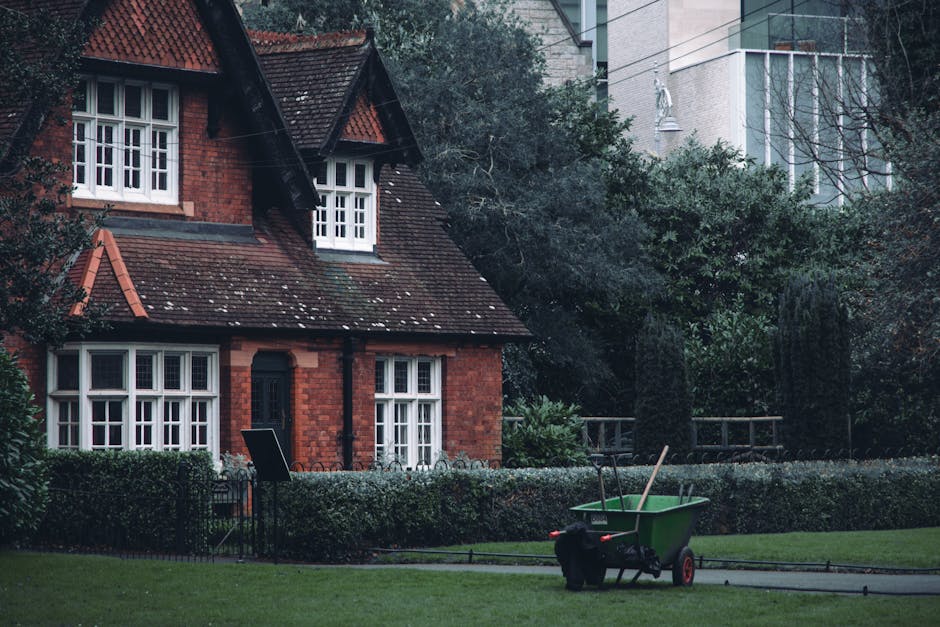
Real cost to hire a gardener across the UK explained for homeowners
Hiring a gardener sounds simple enough until you start asking for quotes and realise the numbers can vary a lot. One person says it will be a quick tidy-up, another says it needs half a day, and a third mentions waste removal, tools, and travel. Suddenly, the real cost to hire a gardener across the UK for homeowners is not just about an hourly rate. It is about what is included, how often the work is needed, and whether you want a one-off visit or regular help.
This guide breaks the pricing down in plain English. You will see what typically drives the price up or down, how gardeners usually charge, where homeowners get caught out, and how to compare quotes without feeling like you need a spreadsheet just to trim a hedge. If you are trying to budget for a garden tidy, ongoing maintenance, or seasonal work, this should give you a much clearer picture.
A quick note before we get into the detail: every garden is different. A neat patio in a city terrace is not priced the same as a large, sloped back garden with overgrown borders and a stubborn hedge that has clearly had a few good years to itself. That is normal. The trick is knowing what you are paying for.
Table of Contents
- Why the real cost matters for homeowners
- How gardener pricing usually works
- Key benefits and practical advantages
- Who this is for and when it makes sense
- Step-by-step guidance
- Expert tips for better results
- Common mistakes to avoid
- Tools, resources and recommendations
- Law, compliance, standards, and best practice
- Options, methods, and comparison table
- Case study or real-world example
- Practical checklist
- Conclusion
- Frequently asked questions
Why Real cost to hire a gardener across the UK explained for homeowners Matters
Garden maintenance is one of those household jobs that people often delay until it becomes impossible to ignore. A few weeks go by, the grass gets shaggy, the hedge starts to lean over the path, and the flower beds fill up with weeds. Then you need help fast, and fast jobs are usually more expensive jobs.
Knowing the real cost to hire a gardener across the UK matters because it helps you budget properly, compare quotes fairly, and avoid paying over the odds for basic work. It also helps you decide whether you need an independent gardener, a local garden maintenance company, or a one-off clearance service.
For homeowners, the biggest money-saving advantage is clarity. If you know typical price structures, you are much less likely to agree to vague extras that creep in later. That matters even more if your garden needs specialist work such as hedge cutting, pruning, lawn care, or green waste removal. A quote that looks cheap can end up expensive if half the job is not actually included.
Practical takeaway: the real price is usually not just the labour charge. It is the labour, time on site, travel, equipment, disposal, and the complexity of the garden all bundled together in different ways.
And yes, location still plays a part. A gardener in central London may price differently from one in a smaller town in the Midlands, but the same principle applies across the UK: the more time, skill, and mess involved, the more the job tends to cost. Fair enough, really.
How Real cost to hire a gardener across the UK explained for homeowners Works
Most gardeners in the UK price work in one of a few ways: hourly rates, half-day or day rates, fixed quotes for specific jobs, or ongoing maintenance plans. Each method suits different types of work.
Hourly rates
An hourly rate is common for smaller jobs, general maintenance, and gardens where the scope is not fully known at the start. It works well for quick weeding, light pruning, mowing, border tidying, or putting a neglected garden back into shape. The upside is flexibility. The downside is uncertainty. If the garden is in worse condition than expected, the job can take longer than planned.
Half-day and day rates
Some gardeners prefer to charge by the half-day or day. This often suits larger jobs where it is hard to estimate the exact number of hours in advance. For example, cutting back a mature hedge, clearing an overgrown corner, or doing a full seasonal tidy can be easier to price this way. It gives the gardener a practical block of time to finish efficiently, and it gives you a clearer maximum spend for that visit.
Fixed-price quotes
For defined jobs, a fixed quote can be the cleanest option. This is common for jobs like hedge trimming, lawn renovation, clearing beds, or regular monthly maintenance. The quote should ideally explain what is included, what is excluded, and whether waste removal is part of the price. If it does not, ask. Don't guess. That is where awkward misunderstandings start.
Regular maintenance plans
If you want the garden kept in shape all year, regular visits may work better than occasional one-off jobs. That can reduce the amount of remedial work needed each visit, which often makes the whole thing more predictable. It also means the garden never gets into that dreaded state where you open the back door and think, well, where on earth did all this come from?
In practice, pricing also depends on:
- the size of the garden
- the condition of the space
- the level of skill needed
- whether tools and machinery are supplied
- how much green waste needs collecting
- access to the garden, especially in terrace homes or properties with side paths
- how often the work needs doing
These factors are what turn a rough estimate into a realistic quote. A tiny urban courtyard with easy access is not the same job as a long rear garden with steep banks, damp soil, and a hedge that looks like it's trying to become a tree.
Key Benefits and Practical Advantages
There is a good reason many homeowners keep a gardener on speed dial, or at least on a saved contact list. The obvious benefit is a tidier, healthier garden. But the less obvious value is time, consistency, and avoiding expensive neglect.
- Better garden health: Regular pruning, feeding, mowing, and weeding help plants and lawns recover faster and look healthier.
- Less weekend stress: You are not spending Saturday afternoon fighting brambles with a blunt pair of shears.
- Improved kerb appeal: A neat front garden and tidy borders make a visible difference, especially if you are preparing to sell or rent a property.
- Safer outdoor space: Overgrown paths, slippery moss, and hidden debris can create avoidable risks.
- Lower long-term cost: Small regular jobs are often cheaper than letting the garden get out of hand and then paying for a large clearance.
There is also a quieter benefit: peace of mind. You know the job is being handled properly, and if something is not quite right, you have someone to speak to. If you value that sort of reliability, a professional approach matters just as much as the headline price. You can also check a provider's service approach through pages like about us and insurance and safety before you book.
To be fair, not every homeowner needs a gardener every week. But for many, even occasional help saves more time and frustration than it costs. Especially when hedges start to misbehave in late spring. They do like to do that.
Who This Is For and When It Makes Sense
This topic is useful for a wide range of homeowners, but the timing and need vary quite a bit.
Homeowners with limited time
If work, family, or mobility makes garden care difficult, professional help can stop the space from sliding into a job that feels impossible. A monthly or seasonal visit may be enough to keep things under control.
People with larger or more demanding gardens
The bigger the garden, the more likely it is that a gardener becomes a sensible expense rather than a luxury. Large lawns, mature shrubs, and layered borders all need more regular care. The real cost to hire a gardener across the UK is often easier to justify when you compare it with the time and equipment you would need to do the same work yourself.
Busy families and landlords
Families often want the garden to be usable without the upkeep becoming another chore. Landlords, meanwhile, may need an outdoor space kept presentable between tenancies. In both cases, consistency matters more than perfection.
Older homeowners or those recovering from injury
Let's face it, some jobs are just physically awkward. Carrying bags of cuttings, kneeling for long periods, or using heavier tools is not ideal for everyone. Hiring help can be practical, not indulgent.
Anyone preparing for an event or property sale
If you are having visitors, listing the home, or simply want the garden to look better for summer, a one-off tidy-up can make a huge difference. A garden in May can look completely transformed after a focused few hours of work. Little things matter more than people think.
Step-by-Step Guidance
If you want to hire a gardener without getting lost in vague estimates, here is the most sensible way to do it.
- List the jobs you actually need. Be specific. Say "front hedge and rear lawn" rather than "general garden stuff". The clearer you are, the better the quote.
- Decide whether you need one-off or regular help. A one-off clearance is priced differently from ongoing maintenance. Regular work is often more efficient over time.
- Measure the space roughly. You do not need an architect's plan. A rough idea of garden size, access, and problem areas helps a lot.
- Ask what is included. Check whether the quote covers labour only, tools, waste removal, and any specialist equipment.
- Request a written quote. This reduces confusion and gives you something to compare against other gardeners.
- Check the practical details. Ask about arrival windows, parking, access through the house or side gate, and whether the gardener needs water or power.
- Confirm payment terms before work starts. If you want a clear and secure process, review pages like pricing and quotes and payment and security.
- Inspect the finished work against the quote. A quick walk-through at the end prevents tiny issues from becoming annoying phone calls later.
A simple example: if you have a medium-sized back garden, a tired lawn, and borders that need weeding, you might ask for a one-off tidy and then a monthly maintenance visit after that. That often works better than treating every visit as a fresh emergency.
Expert Tips for Better Results
If you want better value for money, the main trick is not haggling wildly. It is making the job easier to quote and easier to complete well.
- Bundle jobs together. It is usually more efficient to ask for mowing, edging, and weeding in the same visit than to book separate small visits.
- Be honest about the garden condition. If it has not been touched for six months, say so. Surprises make pricing messy.
- Clear access before the gardener arrives. Move bins, bikes, hoses, and garden furniture if you can. That saves time and sometimes money.
- Ask about waste removal early. Green waste can add cost, especially if there is a lot of it or if disposal needs an extra trip.
- Match the gardener to the job. A simple lawn cut is not the same as heavy pruning or clearance work. Use the right skill level for the task.
- Keep a small maintenance list. A few notes on what grows fastest, which hedge needs more attention, and where the weeds come back first can save repeated explanations.
A small human detail that helps: if you have a tricky gate latch, a narrow side alley, or a dog that barks at leaf blowers like it's its life's calling, mention it. Honestly, that sort of thing matters more than people expect.
Common Mistakes to Avoid
Many complaints about gardening costs are really complaints about assumptions. The quote was not necessarily wrong; the expectations were just different. Here are the mistakes that catch homeowners out most often.
- Choosing the cheapest quote without checking what is included. Cheap labour can become expensive once extras are added.
- Not asking about waste disposal. A pile of cuttings left on-site may not be part of the service.
- Using a one-off tidy as a replacement for ongoing maintenance. If the garden needs regular care, one visit may only delay the problem.
- Failing to describe access issues. Long walks from van to garden, locked gates, or difficult parking can affect price and timing.
- Expecting specialist work at general maintenance prices. Heavy pruning, climber management, or overgrown clearances often take more skill and more time.
- Not getting confirmation in writing. A short message or written quote helps prevent disputes.
One of the less obvious mistakes is underestimating how long a neglected garden takes to reset. A wild patch that looks "just a bit untidy" from the kitchen window can turn into a surprisingly sizeable job once the gardener gets in there. Happens all the time.
Tools, Resources and Recommendations
You do not need a garage full of tools to hire a gardener, but it helps to understand what good practice looks like.
Useful items and information for homeowners
- A rough garden layout: even a hand-drawn sketch can help when discussing the job.
- A list of priority tasks: for example, "front hedge, lawn edge, weed borders, clear cuttings".
- Photos taken in daylight: useful if you are asking for a remote estimate.
- Access notes: where to park, how to get in, and whether the gardener will need to come through the property.
- Budget range: knowing your upper limit saves everyone time.
What to ask before booking
- What exactly is included in the quote?
- Is waste removal included or charged separately?
- Do you bring your own tools and equipment?
- How do you handle larger or unexpected jobs found on the day?
- What is the expected timing for completion?
- How is payment taken, and when is it due?
If you are comparing providers, it can help to look at their public information pages too. For example, a transparent business will often explain its terms and conditions, and may also provide details on complaints procedure in case something does not go as planned. That sort of openness is a good sign. Small thing, but useful.
Law, Compliance, Standards, or Best Practice
For most homeowners, hiring a gardener is straightforward, but there are still sensible standards to keep in mind. The exact legal details can vary depending on the work and the contractor, so the safest approach is to focus on best practice and clarity.
Professional gardeners should be able to explain how they manage safety, tools, and waste responsibly. If power tools are used, the work should be done with proper care and appropriate safeguards. If chemicals or treatments are involved, they should be used responsibly and in line with normal professional practice.
From a homeowner's point of view, the main things to check are:
- Insurance: the gardener should carry suitable cover for accidental damage or injury risk.
- Health and safety awareness: especially where ladders, heavy tools, slippery paths, or power equipment are involved.
- Clear agreement on scope: what work is being done, where, and when.
- Safe payment practice: use a secure and agreed payment method.
You can also review pages such as health and safety policy and insurance and safety if you want to understand how a professional service approaches these basics. If sustainability matters to you, a gardener who handles waste thoughtfully and reuses or recycles where possible can be a better fit for modern households too. That is not just nice to have; it often reflects a more organised operation overall.
One small note: if a quote seems unusually low, ask how the provider handles insurance, disposal, and tools. Low headline prices can hide corners being cut. Not always, but enough that it is worth asking.
Options, Methods, and Comparison Table
Different pricing methods suit different homeowners. Here is a simple comparison to help you see which route makes sense.
| Pricing method | Best for | Pros | Watch out for |
|---|---|---|---|
| Hourly rate | Small jobs, unclear scope, general tidy-ups | Flexible, easy to start, useful for mixed tasks | Total cost can rise if the job is bigger than expected |
| Half-day rate | Moderate jobs, seasonal work, larger tidy-ups | Clearer time block, better value for medium projects | May be more than you need for very small jobs |
| Day rate | Large gardens, overgrown plots, several tasks in one visit | Good for substantial work, easier to budget | Can feel expensive if the job finishes early |
| Fixed quote | Defined jobs with a clear scope | Predictable, easy to compare | Only as good as the description behind it |
| Regular maintenance plan | Homeowners wanting consistent care | More stable costs, less garden decline | Needs good communication and a reliable schedule |
If you are unsure which method suits you, start with the job description. Clear, repeatable work usually fits a fixed quote or maintenance plan. Unclear, messy, or very variable jobs often suit hourly or day-based pricing better.
Case Study or Real-World Example
Imagine a homeowner in a suburban UK town with a medium-sized rear garden. The lawn has grown patchy, the borders are full of weeds, and a laurel hedge has become a bit wider than planned. Nothing dramatic, just enough to make the garden feel tired and slightly guilty when you look at it through the window.
At first glance, the owner thinks it will take "a couple of hours." But once the gardener starts, the reality is different. The hedge needs shaping, the weeds have rooted deeply, and the lawn edges need cutting back properly so the whole space looks finished rather than simply chopped.
The quote ends up being based on a half-day visit rather than a quick hourly job. Why? Because the work is not just cutting. It includes moving around the space, collecting cuttings, checking the hedge line, and making sure the finish is neat. The homeowner initially sees the price as higher than expected, then realises it is actually fair for the amount of work involved.
After that first visit, they agree to a lighter monthly maintenance routine. The next few visits are quicker, cleaner, and less stressful. In other words, the garden becomes cheaper to maintain because it stops being an emergency every time. That is a very common pattern, and a sensible one.
Practical Checklist
Before you book a gardener, run through this checklist. It keeps the conversation focused and helps avoid surprise costs.
- Have I listed the exact jobs I want done?
- Do I know whether this is a one-off job or ongoing maintenance?
- Have I described the size and condition of the garden honestly?
- Have I checked whether waste removal is included?
- Do I know whether tools and equipment are supplied?
- Have I confirmed access, parking, and entry details?
- Have I asked for a written quote?
- Do I understand the payment terms?
- Have I checked relevant trust pages such as about us, insurance and safety, and payment and security?
- Am I comparing like with like, not just the lowest price?
If you can tick most of those boxes, you are in a much better position to get a fair quote and a decent result. Simple as that.
Conclusion
The real cost to hire a gardener across the UK depends on more than just the number on the first quote. It depends on garden size, condition, access, scope, frequency, and whether waste or specialist work is involved. Once you understand those moving parts, it becomes much easier to spot a fair price and choose the right type of service for your home.
For many homeowners, the best value comes from clear expectations, a properly defined job, and regular maintenance rather than last-minute rescue work. That keeps costs steadier and usually makes the garden more enjoyable too. Which, at the end of the day, is the whole point really.
If you are ready to move forward, compare your needs against the scope of work, ask for a clear written quote, and make sure you understand what is included before anyone picks up a pair of shears.
Get a free quote today and see how much you can save.
And if you want to learn more about the company behind the service, visit the home page or review the recycling and sustainability approach before you book. A tidy garden is nice. A tidy process is even nicer.
Frequently Asked Questions
How much does it usually cost to hire a gardener in the UK?
The cost varies depending on the job, location, and how long it takes. Smaller maintenance visits are usually cheaper than heavy clearances or specialist pruning. The best way to judge value is to compare what is included, not just the headline price.
Is it cheaper to hire a gardener regularly or as a one-off?
Regular visits often work out better over time because the garden is easier to maintain and does not get badly overgrown. One-off work can be more expensive if the garden needs a lot of catching up.
Do gardeners charge by the hour or by the job?
Both are common. Smaller or unclear jobs are often charged hourly, while defined jobs may be priced as a fixed quote or half-day/day rate. The method usually depends on how predictable the work is.
What should be included in a gardener's quote?
A clear quote should say what work will be done, whether tools are included, whether waste removal is included, and any conditions that could change the price. If that is missing, ask for clarification.
Why do gardening prices vary so much across the UK?
Local labour costs, travel time, property type, access, and the size of the job all play a part. A small, easy-access garden is not priced the same as a large or overgrown one, even in the same town.
Does overgrown garden clearance cost more?
Usually yes. Overgrown gardens take longer, can involve thicker cuttings, and may require more tools or disposal time. What looks like a simple tidy-up often becomes a more involved clearance job once work begins.
Should I provide tools or will the gardener bring them?
Many professional gardeners bring their own tools, but not all jobs are handled the same way. It is sensible to ask in advance so you know whether you need to provide anything or clear space for equipment.
Is waste removal usually included in the price?
Not always. Some quotes include green waste removal, while others charge separately. This is one of the most common reasons homeowners think a job was cheaper than expected at first and then not so cheap later.
How do I know if a gardener is trustworthy?
Look for clear communication, written quotes, sensible terms, and evidence of insurance and safety awareness. Transparent pages such as terms and conditions and complaints procedure can also give you confidence in how the business is run.
What kind of garden jobs are best for a professional gardener?
Regular mowing, hedge cutting, weeding, pruning, seasonal tidying, and ongoing maintenance are all typical jobs. A professional can also help when the garden is too large, too awkward, or too neglected to handle comfortably on your own.
Can I ask for a cheaper quote by reducing the scope?
Yes, and that is often the smartest way to save money. If you focus on the highest-priority tasks first, such as the lawn and the worst weeds, you can sometimes keep the visit shorter and more affordable.
What is the best next step if I'm unsure what my garden needs?
Take a few photos, write down the obvious jobs, and ask for an initial quote or assessment. If you want to start a conversation, use the contact us page to make the next step easy and straightforward.